The global airline industry is moving in the right direction but still faces headwinds and 2013 may be a challenging year. As one analyst puts it, the state of the industry depends on where you’re sitting. The US outlook is improving, Asia is growing, but visibility’s limited in Europe which is bouncing in and out of recession.
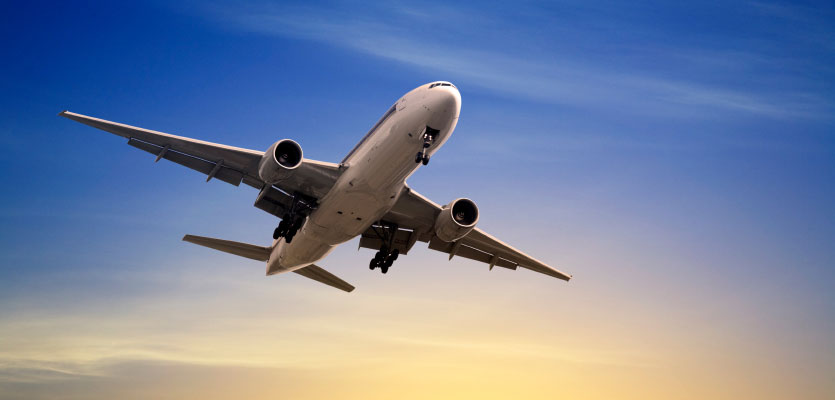
The International Air Transport Association just raised its forecast for overall airline profit in 2013 to $8.4 billion, that’s up from $6.7 billion in 2012, also revised higher.
Yair Reiner, Senior Aerospace & Defense Analyst for Oppenheimer & Company says the key is global growth. “For the airline industry and the aircraft industry to remain healthy, you need passenger growth to be about 5 percent a year,” he said. “If we remain at 4 to 5 percent at traffic growth in 2013, it’s going put some pressure on airlines and raise questions about whether they need to add as much capacity as they believe they need to add today.”
Analysts expect U.S. airlines to lead the way in profits thanks in part to costs cutting and restructuring. CRT Capital’s airline and aerospace analyst Michael Derchin said airlines have been struggling to get it right since deregulation in 1978. “What’s changed in the past four years is the airlines finally figured out after 30 plus years how to not only survive, but to be profitable in a high fuel, deregulated environment.”
2013 will be the fourth straight year of profits for the industry as world trade and the U.S. economy improved, oil prices dropped slightly, and passenger traffic rose. The number of people taking to the skies will break the 3 billion mark in 2013, according to Derchin. Among the billions flying, he said there is one customer that is especially valuable. “The main driver for airline profits tends to be how well the business traveler is doing, and right now things look pretty good there.”
 Much of the increased passenger traffic, business and otherwise, is coming from China and other emerging markets with a growing and more affluent middle class willing and able to fly.
Technology is also driving profit. It has brought all kinds of new amenities to the friendly skies. Passengers can now opt for WiFi, streaming wireless video for their iPads, even flat-bed seats. Airlines offer those new features at a price of course. The pricing structure has changed for everything.
 “Now the airlines have gotten smarter,” said Derchin. “They’re pricing more like they do here on Broadway where an orchestra seat costs more than up in the balcony, and that’s how they’re doing it. If you want an aisle seat up front, they’ll charge you $15 more.”
Many airlines are also poised for better profits after shutting down unprofitable routes and getting rid of older, fuel-guzzling planes. That is where aircraft makers come in. Higher demand for aircraft has some makers sitting pretty for 2013 and beyond, according to Reiner.
“If you look the air framers, the makers of the large aircraft, Boeing and Airbus, they’re sitting atop of record high backlogs. Right now if you want a new airplane, you have to wait seven or so years.”
For the first time since 2007, Boeing will retake the lead thanks to production of its 787 Dreamliner after three years of delays.
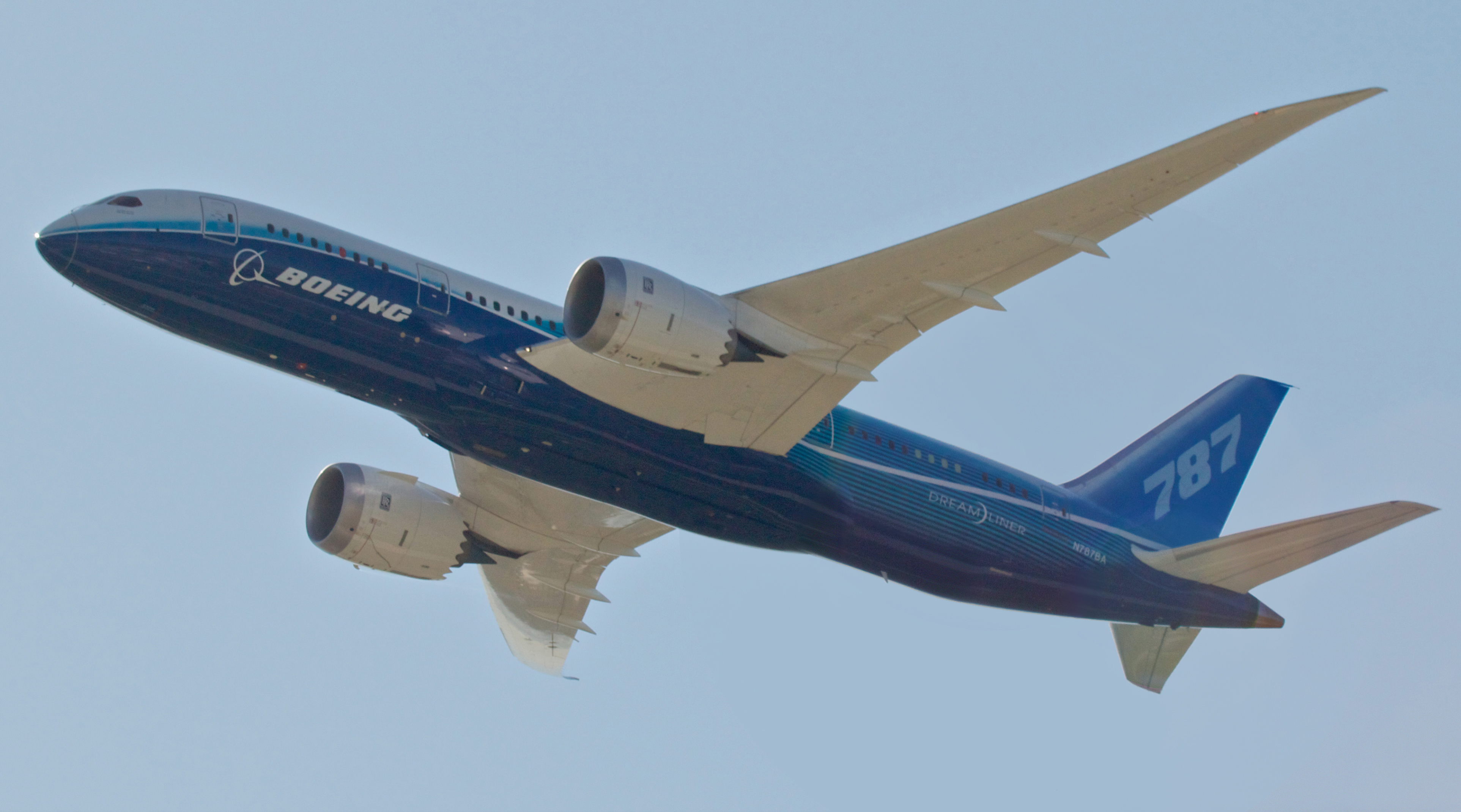
The 787 has had design problems and supplier issues. In the latest the Federal Aviation Administration ordered in December Boeing to inspect the 787 for fuel line problems. Boeing said it completed the inspections and found the assembly problem prior to the FAA order.
“Now it’s finally starting to hit its stride in terms of production, and it’s that ramp up of production of the 787 that is catapulting Boeing into the no. 1 spot again,” said Reiner. “That may change in a couple of years when Airbus releases its next new plane the A350.”
Airline Fleet Management reported that delegates at a recent industry conference in Rome questioned if the large orders by airlines can be met in this economic climate. Airline executives said new banks in Australia and the Middle East are stepping up to finance the airline industry.
Airbus said a decade ago an order for 50 planes was great. Today, 150 is acceptable.
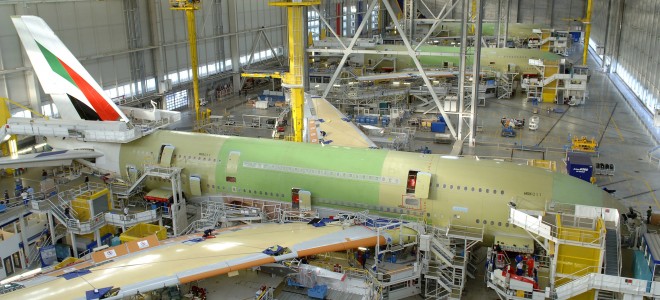
Boeing is stepping up aircraft production and leading the way in technology to help manage the crowded skies. Boeing Lead Engineer Rob Mead said the company’s concept called “Tailored Arrivals” lands aircraft more efficiently. “We allow dynamic generation of arrival paths into busy airports and that allows us to reduce emissions, reduce noise and make for a cheaper ride for our airline customers and the passengers on board.” The system sends pilots arrival path guidance by taking into consideration plane’s performance, air traffic, airspace and weather.
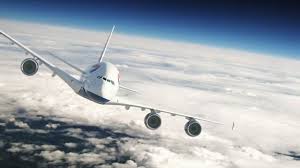 As the airline industry gains altitude, risks remain from the fiscal cliff in the U.S., volatile fuel prices, geopolitical instabilities or even a surprise event like a hurricane or tsunami. 2013 may be a mixed year but the industry picture is brighter overall, and at 30,000 feet there’s always room for optimism.
~~
~~